
Table of Contents
- Introduction to Your Finance Planner 2026
- Advanced Financial Planning Strategies
- Optimization Techniques for 2026
- Understanding Common Fees and Hidden Costs
- Approval Process and Required Documents
- Best Alternatives to Your Finance Planner 2026
- How to Reduce Interest Rates and Total Costs
- Key Takeaways
- Frequently Asked Questions (FAQs)
- Conclusion
Introduction to Your Finance Planner 2026
If you want to take control of your financial future, Your Finance Planner 2026 offers an essential framework to build on. This tool and strategy guide is designed to help you optimize your personal finances through advanced techniques and timely insights tailored for 2026. Whether you are new to financial planning or looking to refine your approach, this guide will help you navigate the complexities of budgeting, investing, and debt management effectively.
In this article, you will learn how to apply these strategies to maximize your financial outcomes. For further detailed financial concepts, consider visiting the Federal Reserve and NerdWallet.
Advanced Financial Planning Strategies
To truly optimize your finances in 2026, adopting advanced strategies is crucial. Here are some key approaches you should consider:
- Automated Investment Plans: Utilize robo-advisors and automated portfolios to maintain diversified investments with minimal effort.
- Tax-Efficient Investing: Maximize tax-advantaged accounts such as IRAs, 401(k)s, and HSAs to reduce your taxable income.
- Dynamic Budgeting: Implement flexible budgeting tools that adapt to changes in income and expenses to avoid overspending.
- Debt Snowball with Interest Optimization: Prioritize paying off high-interest debts first while maintaining minimum payments on others.
For more insights on these strategies, visit Investopedia.
Optimization Techniques for 2026
Optimization in your financial planning involves continuously refining your plan based on current market trends and personal circumstances. Here are several techniques to optimize your 2026 financial plan:
- Regular Portfolio Rebalancing: Adjust your asset allocation quarterly or biannually to maintain your risk tolerance.
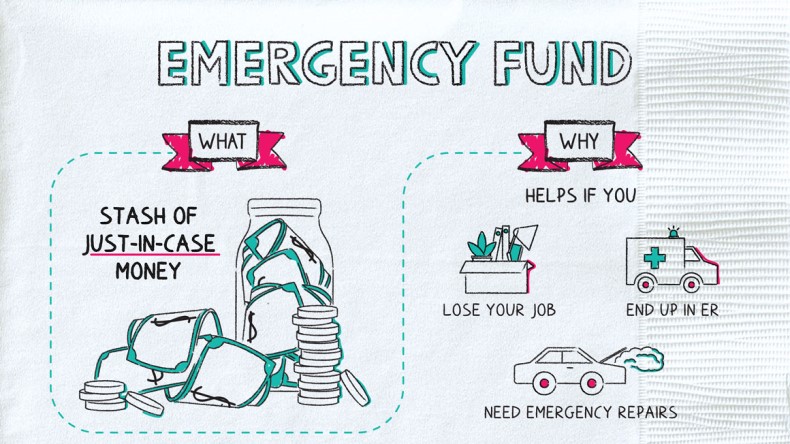
- Emergency Fund Enhancement: Ensure your emergency fund covers at least 6 months of living expenses to increase financial resilience.
- Insurance Review: Evaluate your insurance policies annually to avoid overpaying or being underinsured.
- Utilize Financial Technology: Leverage apps and platforms for expense tracking, investment management, and financial forecasting.
Understanding Common Fees and Hidden Costs
When using finance planners or managing your investments, being aware of fees is essential to preserving your capital. Here is a table summarizing typical fees you might encounter:
| Fee Type | Description | Typical Range |
|---|---|---|
| Management Fees | Annual fee charged by financial advisors or robo-advisors | 0.25% – 1.0% of assets under management |
| Transaction Fees | Charges per trade or transaction made | $0 – $10 per trade |
| Account Maintenance Fees | Monthly or annual charges for account upkeep | $0 – $50 annually |
| Hidden Costs | Costs embedded in mutual funds like expense ratios and bid-ask spreads | 0.1% – 1.5% |
Understanding these fees helps you minimize costs and improve net returns. For more detail, check the SEC website.
Approval Process and Required Documents
If you are referring to financial products or services under the umbrella of Your Finance Planner 2026, knowing the approval process and documents required will streamline your application:
- Approval Time: Typically ranges from a few hours to several business days depending on the product.
- Common Documents: Proof of identity (passport, driver’s license), proof of income (pay stubs, tax returns), bank statements, and credit reports.
- Verification: Some plans may require additional verification such as employment confirmation or asset statements.
Prepare these documents in advance to speed up your approval. For specific product timelines, visit NerdWallet.
Best Alternatives to Your Finance Planner 2026
While Your Finance Planner 2026 offers comprehensive tools, you might want to explore alternatives that cater to different needs:
- Personal Capital: Offers robust investment tracking and retirement planning tools.
- Mint: Great for budgeting and expense tracking with user-friendly interfaces.
- YNAB (You Need A Budget): Focuses on proactive budgeting techniques and financial education.
- Traditional Financial Advisors: For personalized, face-to-face planning and complex financial needs.
Evaluate each option based on your priorities for fees, features, and support.
How to Reduce Interest Rates and Total Costs
Reducing your interest rates and total financial costs can significantly improve your financial health. Consider these actionable steps:
- Improve Your Credit Score: Pay bills on time, reduce debt, and avoid unnecessary credit inquiries.
- Negotiate with Lenders: Don’t hesitate to ask for lower rates or better terms based on your creditworthiness.
- Refinance High-Interest Debt: Look for opportunities to refinance loans at lower rates, especially mortgages or student loans.
- Consolidate Debt: Use a debt consolidation loan to combine multiple debts into one with a lower interest rate.
These steps will help you save money and accelerate your debt payoff.
Key Takeaways
- Your Finance Planner 2026 is a comprehensive tool for advanced financial management tailored for the current economic landscape.
- Automated investing and tax-efficient strategies maximize returns and minimize liabilities.
- Continuous optimization through rebalancing and emergency fund enhancement strengthens financial security.
- Awareness of fees and the approval process helps avoid unexpected costs and delays.
- Exploring alternatives ensures you find the best fit for your unique financial goals.
- Proactive steps like improving credit and negotiating rates reduce your total financial burden.
Frequently Asked Questions (FAQs)
Is Your Finance Planner 2026 a good idea in 2026?
Yes, Your Finance Planner 2026 is designed to incorporate the latest financial trends and strategies, making it a valuable resource for managing your finances effectively in 2026.
What mistakes should I avoid?
Avoid neglecting your emergency fund, overlooking hidden fees, and failing to regularly update your financial plan to reflect changes in income or goals.
What is Your Finance Planner 2026 and how does it work?
Your Finance Planner 2026 is a structured approach to personal finance that combines budgeting, investing, debt management, and optimization strategies, helping you make informed financial decisions throughout the year.
What are the common fees and hidden costs?
Common fees include management fees, transaction fees, account maintenance fees, and hidden costs such as expense ratios within investment funds. Understanding these helps you reduce unnecessary expenses.
How long does approval usually take?
Approval times vary but typically range from a few hours to several business days depending on the financial product or service you are applying for.
What documents do I need?
Generally, you need proof of identity, income verification, bank statements, and possibly credit reports. Having these ready can expedite the approval process.
What are the best alternatives to Your Finance Planner 2026?
Alternatives include Personal Capital, Mint, YNAB, and traditional financial advisors. Each offers different features suited to varying financial needs.
How can I reduce the interest rate or total cost?
You can reduce costs by improving your credit score, negotiating with lenders, refinancing high-interest loans, and consolidating debt for better terms.
Conclusion
By integrating Your Finance Planner 2026 into your financial routine, you position yourself to make smarter, more strategic decisions that enhance your financial well-being. The combination of advanced strategies, continuous optimization, and awareness of costs empowers you to meet your financial goals confidently. Remember to review your plan periodically, stay informed with trusted resources, and adapt as your circumstances change. To learn more about financial planning, visit our About page or reach out via our Contact form.
For further detailed financial guidance, you might find these resources useful: Federal Reserve and NerdWallet.
Start planning today to secure your financial future in 2026 and beyond.