
Table of Contents
- Introduction to the Best Ways to Reduce Personal Debt
- Assessing Your Debt Situation
- Budgeting Strategies to Cut Expenses
- Debt Repayment Methods Explained
- Understanding Debt Consolidation
- Negotiating With Creditors
- Case Study Scenarios
- Common Mistakes to Avoid
- Key Takeaways
- FAQs
- Conclusion
Introduction to the Best Ways to Reduce Personal Debt
When you want to regain control of your finances, knowing the best ways to reduce personal debt is essential. Personal debt can weigh heavily on your financial freedom and peace of mind. In 2026, with evolving economic factors, applying effective strategies will help you reduce your debt efficiently and sustainably. This article guides you through practical steps, including budgeting, repayment plans, and negotiating with creditors, supported by real case studies.
Assessing Your Debt Situation
Before you start reducing your debt, you need to have a clear picture of what you owe. Begin by listing all your debts, including credit cards, personal loans, medical bills, and any other liabilities. Document the balance, interest rate, and minimum monthly payment for each.
This assessment helps prioritize which debts to tackle first and spot opportunities to reduce interest costs or consolidate debt.
Using Tools to Track Your Debt
You can use spreadsheets or financial apps recommended by trusted sources like the Consumer Financial Protection Bureau to organize your information effectively.
Budgeting Strategies to Cut Expenses
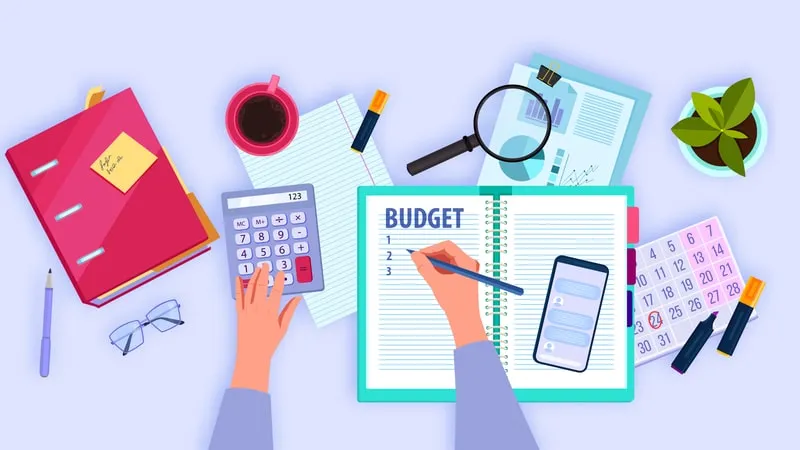
A well-planned budget is a cornerstone of reducing personal debt. By managing your income and controlling expenses, you can free up funds for debt repayment.
Steps to Create a Practical Budget
- Calculate your monthly net income.
- List all fixed and variable expenses.
- Identify non-essential spending to reduce or eliminate.
- Allocate a specific amount toward debt repayment each month.
Remember, consistency in sticking to your budget is key to success.
Debt Repayment Methods Explained
Choosing the right repayment method can accelerate your debt reduction. Two popular approaches are the debt avalanche and debt snowball methods.
- Debt Avalanche: Pay off debts with the highest interest rates first, minimizing the total interest paid over time.
- Debt Snowball: Focus on paying off the smallest debts first to build momentum and motivation.
Comparison Table: Debt Avalanche vs Debt Snowball
| Method | Focus | Advantages | Best For |
|---|---|---|---|
| Debt Avalanche | Highest interest rates first | Save money on interest; faster payoff | Those disciplined with payments |
| Debt Snowball | Smallest balances first | Builds motivation with quick wins | Those needing psychological boost |
Understanding Debt Consolidation
Debt consolidation involves combining multiple debts into a single loan or payment plan, often with a lower interest rate. This strategy simplifies your payments and may reduce costs.
Before pursuing consolidation, check your eligibility and terms carefully. For detailed guidance, visit the Federal Reserve website for authoritative financial information.
Pros and Cons of Debt Consolidation
- Pros: Lower interest rates, simplified payments, potential credit score improvement.
- Cons: Possible fees, longer repayment terms, risk of accumulating more debt if spending is not controlled.
Negotiating With Creditors
Sometimes, you can reduce your debt burden by negotiating directly with creditors. This can include requesting lower interest rates, payment plans, or even debt settlement.
Approach negotiations professionally and be prepared with documentation of your financial situation. Creditors may be willing to work with you to avoid defaults.
Case Study Scenarios
Let’s look at two scenarios applying the best ways to reduce personal debt:
Scenario 1: Emily’s Debt Avalanche Success
Emily had $20,000 across three credit cards with varying interest rates. She applied the debt avalanche method, focusing on the card with a 22% interest rate first. By reallocating her budget and negotiating a slightly lower interest rate, she paid off her debt in 18 months.
Scenario 2: James’ Debt Snowball Motivation
James struggled with motivation due to multiple small debts. He chose the snowball method, paying off his smallest debt first. The quick wins boosted his confidence, and he cleared all debts within two years.
Common Mistakes to Avoid
- Ignoring interest rates and focusing only on balances.
- Failing to create or stick to a budget.
- Accumulating new debt while repaying old debts.
- Not checking for hidden fees in consolidation or repayment plans.
- Delaying negotiations with creditors when facing difficulty.
Key Takeaways
- Start by thoroughly assessing your personal debt situation.
- Create and commit to a realistic budget to free up repayment funds.
- Choose a debt repayment method that aligns with your motivation and financial goals.
- Consider debt consolidation as a tool, but watch for fees and terms.
- Negotiate with creditors when possible to improve repayment conditions.
- Avoid common mistakes such as ignoring interest rates or taking on new debt.
FAQs
How do I qualify for best ways to reduce personal debt?
Qualification depends on the specific strategy you choose. For example, debt consolidation loans require good credit and income verification, while negotiating with creditors depends on your financial hardship and communication. Assess your financial documents and credit status to determine eligibility.
How can I reduce the interest rate or total cost?
You can request lower interest rates by negotiating with creditors or refinancing debt through consolidation loans with better terms. Improving your credit score also helps you qualify for lower rates. Always compare offers carefully.
What mistakes should I avoid?
Avoid ignoring your debt situation, failing to budget, accumulating new debt during repayment, missing payments, and overlooking fees or terms in consolidation offers.
What are the common fees and hidden costs?
Debt consolidation loans may have origination fees, balance transfer fees, or prepayment penalties. Debt settlement might include negotiation fees. Always read terms thoroughly to avoid surprises.
What are the best alternatives to best ways to reduce personal debt?
Alternatives include credit counseling, debt management plans, bankruptcy (as a last resort), or seeking financial advice from certified planners. Each option has different implications and should be chosen based on your situation.
What documents do I need?
Prepare recent pay stubs, credit reports, debt statements, bank statements, and identification documents. These help verify your financial status when applying for consolidation or negotiating with creditors.
Is best ways to reduce personal debt a good idea in 2026?
Yes, reducing personal debt remains a crucial financial goal in 2026 due to ongoing economic changes and interest rate fluctuations. Using updated strategies tailored to current conditions will benefit your financial health.
How long does approval usually take?
Approval times vary by method. Debt consolidation loans may take a few days to a few weeks, while negotiating with creditors can be quicker but depends on the creditor’s process. Planning ahead minimizes delays.
Conclusion
Implementing the best ways to reduce personal debt requires a clear understanding of your financial situation, disciplined budgeting, and choosing the right repayment method. Whether you opt for the debt avalanche, snowball, consolidation, or negotiation, consistency and informed decisions will help you regain control over your finances. For more resources, visit the Consumer Financial Protection Bureau and Federal Reserve. Remember, support is available and taking the first step today can lead to financial freedom tomorrow.
For additional information or personalized advice, please visit our About page or contact us directly via our Contact page.
Related topics you might find helpful: Debt Management Tips and Budgeting for Debt Reduction.