
Table of Contents
- Introduction to Bank vs Crypto 2026
- Definitions: What Are Banks and Cryptocurrencies?
- Key Differences Between Banks and Cryptocurrencies
- Benefits and Risks of Bank vs Crypto 2026
- How Bank vs Crypto 2026 Works
- How Do You Qualify for Bank vs Crypto 2026?
- How Can You Reduce Interest Rates or Total Costs?
- How Long Does Approval Usually Take?
- Comparison Table: Banks vs Cryptocurrencies in 2026
- Key Takeaways
- FAQs on Bank vs Crypto 2026
- Conclusion
Introduction to Bank vs Crypto 2026
As you navigate your financial choices in 2026, understanding the debate of bank vs crypto 2026 is crucial. This topic reflects how traditional banking systems compare with emerging cryptocurrency options. Whether you are looking to save, invest, or transact, knowing the benefits and limitations of each can help you make informed decisions.
For detailed financial concepts, you can visit Investopedia or check regulatory updates at the Federal Reserve.
Definitions: What Are Banks and Cryptocurrencies?
Before diving deeper, it’s important to define the two key players:
- Banks: Financial institutions that provide services such as deposits, loans, credit, and payment processing. They are regulated by government authorities to ensure security and stability.
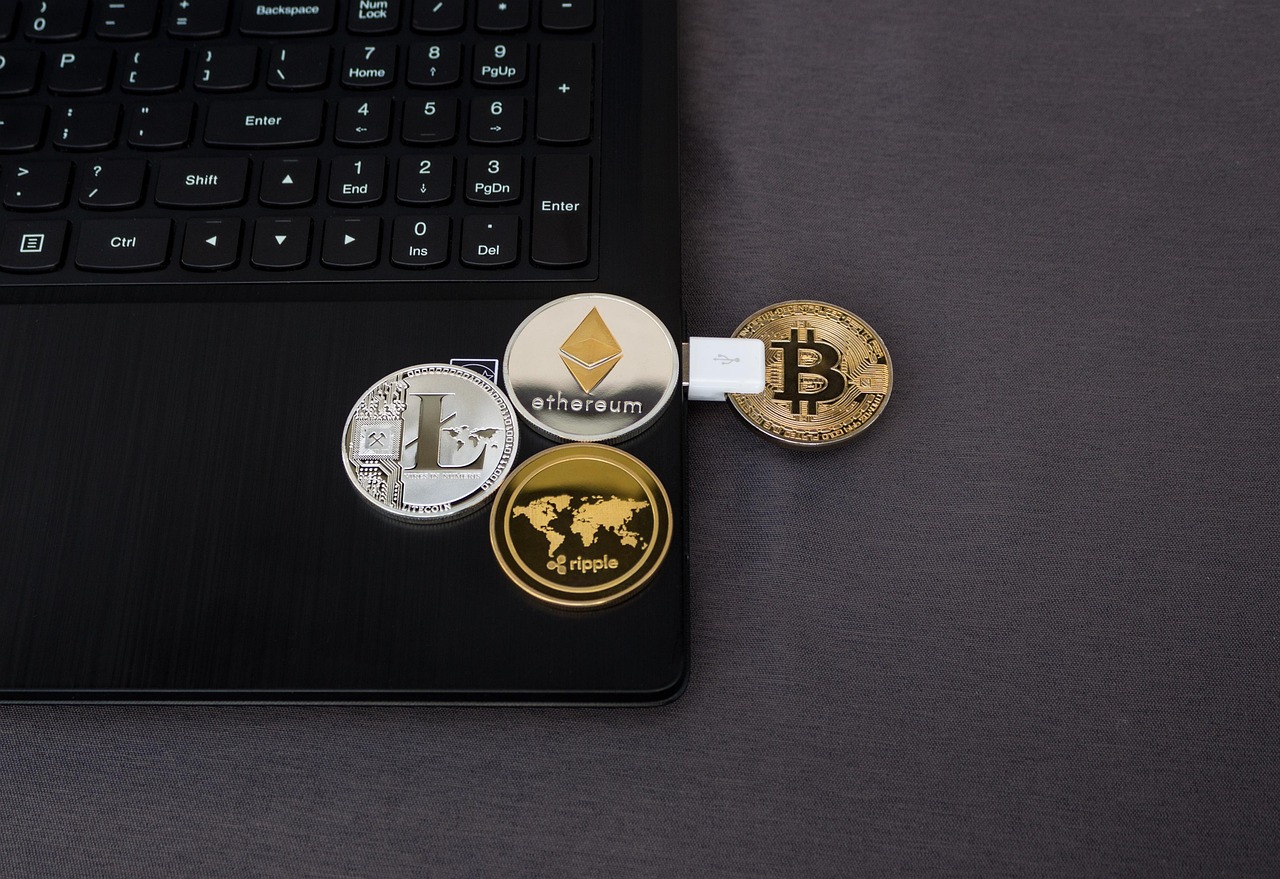
- Cryptocurrencies: Digital or virtual currencies that use cryptography for security. They operate on decentralized networks, usually blockchain technology, and include popular examples like Bitcoin and Ethereum.
Key Differences Between Banks and Cryptocurrencies
Understanding the differences can clarify how each option might fit into your financial plans.
- Centralization vs Decentralization: Banks are centralized institutions, whereas cryptocurrencies operate on decentralized networks.
- Regulation: Banks are heavily regulated; crypto regulations vary greatly by jurisdiction and continue evolving.
- Transaction Speed and Costs: Crypto can offer faster and cheaper cross-border payments compared to traditional banks.
- Risk Profile: Banks offer deposit insurance and protections; cryptocurrencies are more volatile and less insured.
Benefits and Risks of Bank vs Crypto 2026
Each financial system carries unique advantages and challenges you should weigh carefully.
- Benefits of Banks: Stability, regulatory safeguards, customer service, and easy access to credit.
- Risks of Banks: Lower interest rates on deposits, fees, and slower international transfers.
- Benefits of Cryptocurrencies: High transparency, potential for high returns, accessibility without geographic restrictions.
- Risks of Cryptocurrencies: Price volatility, regulatory uncertainty, security risks from hacking.
How Bank vs Crypto 2026 Works
Understanding the operational mechanisms helps you assess which suits your needs.
Banks: You open accounts, deposit money, and access loans or credit cards. Banks act as intermediaries, verifying and processing transactions.
Cryptocurrencies: You use digital wallets and blockchain networks to send, receive, or store crypto assets without intermediaries. Smart contracts automate agreements in some cases.
How Do You Qualify for Bank vs Crypto 2026?
Qualification criteria differ depending on whether you use banks or crypto platforms.
- For Banks: Typically require proof of identity, income, credit history, and sometimes collateral for loans.
- For Cryptocurrencies: Usually need a digital wallet and identity verification for regulated exchanges; no credit checks.
How Can You Reduce Interest Rates or Total Costs?
Managing costs can greatly improve your financial outcomes.
- Compare multiple banks or crypto exchanges to find competitive rates.
- Maintain a good credit score to qualify for lower bank interest rates.
- Use stablecoins or less volatile cryptocurrencies to minimize risks.
- Consider fees such as transaction, withdrawal, and conversion costs.
How Long Does Approval Usually Take?
Approval times vary by service and type of transaction.
- Bank approvals: Can range from minutes for simple account openings to weeks for loan approvals.
- Crypto platforms: Account setup and verification may take minutes to days depending on KYC requirements.
Comparison Table: Banks vs Cryptocurrencies in 2026
| Feature | Banks | Cryptocurrencies |
|---|---|---|
| Regulation | Highly regulated by government agencies | Varies; some regulated, many unregulated |
| Transaction Speed | Typically slow for international transfers | Often faster, especially cross-border |
| Security | Deposit insurance, fraud protection | Depends on user security; no insurance |
| Accessibility | Requires documentation and credit checks | Accessible with digital wallet, minimal checks |
| Volatility | Low volatility | High volatility |
Key Takeaways
- The choice of bank vs crypto 2026 depends on your risk tolerance, financial goals, and need for regulation.
- Banks offer stability and regulatory protection but may have higher fees and slower processes.
- Cryptocurrencies provide speed and decentralized access but come with volatility and regulatory uncertainty.
- Understanding qualification requirements and approval times can streamline your financial decisions.
- Reducing costs involves comparing options and maintaining good financial habits.
FAQs on Bank vs Crypto 2026
What are the best alternatives to bank vs crypto 2026?
Alternatives include fintech platforms offering hybrid solutions, peer-to-peer lending, and digital wallets linked to traditional financial institutions. Exploring options like digital banking services can provide balance between convenience and security.
What mistakes should I avoid?
Avoid investing without proper research, ignoring fees, neglecting security measures like two-factor authentication, and failing to understand regulatory implications. Also, do not put all your assets in one system; diversification helps manage risks.
Is bank vs crypto 2026 a good idea in 2026?
Considering the evolving financial landscape, combining both can be beneficial. Banks provide safety and traditional services, while cryptocurrencies offer innovation and accessibility. Your specific financial situation will dictate the best approach.
How can I reduce the interest rate or total cost?
To reduce costs, shop around for competitive rates, maintain a strong credit history for banking products, limit frequent trading in cryptocurrencies to avoid fees, and consider stablecoins to reduce volatility risks.
How do I qualify for bank vs crypto 2026?
Qualification for banks usually involves identity verification, credit checks, and financial documentation. For cryptocurrencies, you will generally need a digital wallet and may undergo KYC (Know Your Customer) procedures depending on the platform.
What is bank vs crypto 2026 and how does it work?
Bank vs crypto 2026 refers to the comparison and choice between traditional banking services and cryptocurrency systems in the year 2026. Banks act as intermediaries offering regulated financial products, while crypto operates on decentralized technology allowing peer-to-peer transactions.
How long does approval usually take?
Bank approvals can take from minutes to weeks depending on the product complexity. Cryptocurrency platform approvals are generally quicker but depend on the verification process, typically minutes to a few days.
What documents do I need?
For banks, expect to provide government-issued ID, proof of address, income verification, and sometimes credit history. For crypto platforms, a government ID and proof of address may be required for KYC compliance.
Conclusion
As you evaluate bank vs crypto 2026, remember that both have unique roles in your financial portfolio. Banks offer trusted regulation and traditional services, while cryptocurrencies provide agility and innovation. Balancing these options according to your needs, risk appetite, and financial goals will position you well for the evolving financial environment of 2026 and beyond. For more insights, explore our About page or get in touch via Contact.